Why Dogs Lick Their Paws: Causes, Signs & What Vets Recommend
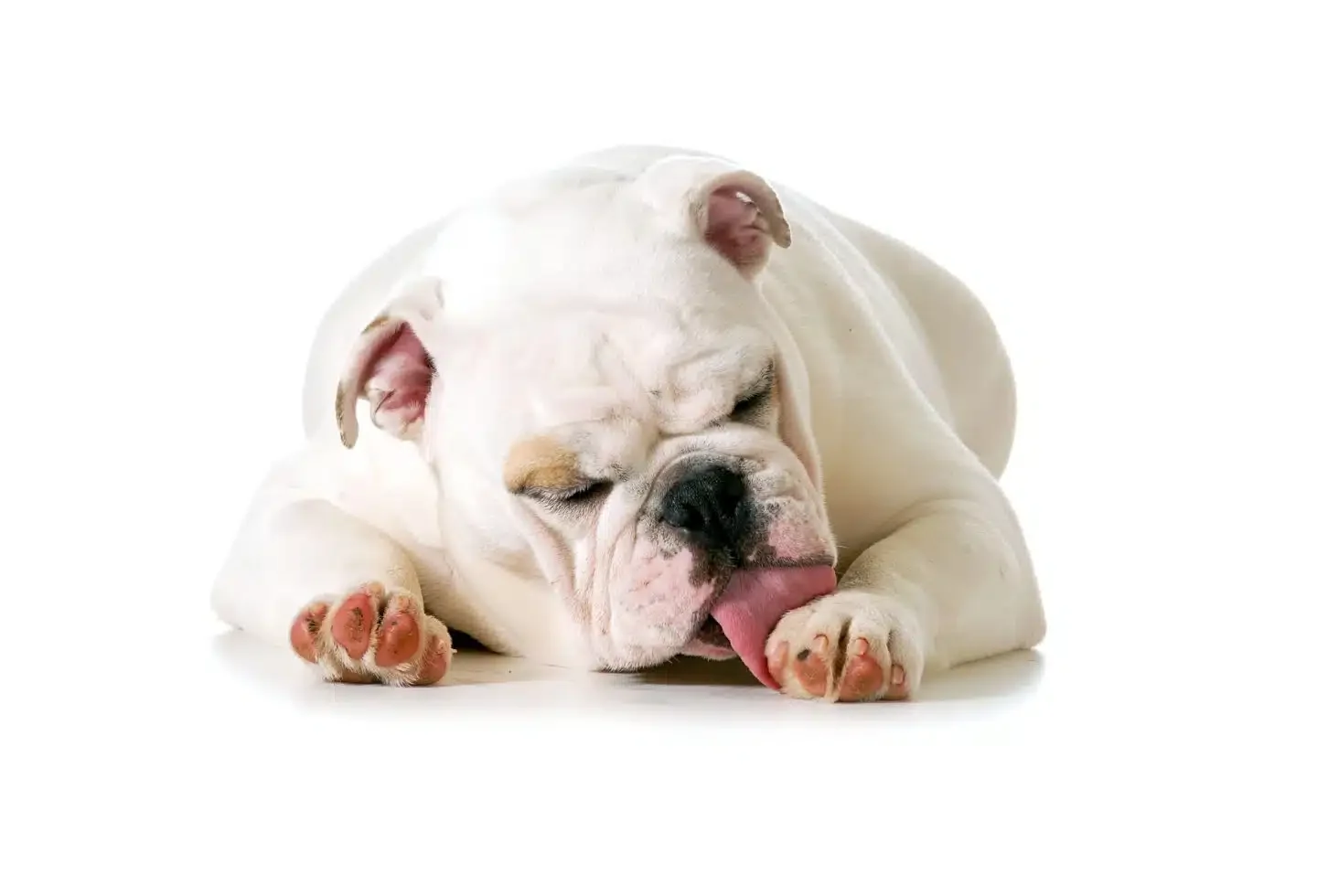
Experts reveal what's normal, what's not, causes, and how to address excessive paw licking
By: Janelle Martel
Last Updated:February 19, 2026
You've likely noticed that your dog's regular grooming routine includes giving themselves a “paw-dicure.” While some paw licking is a normal part of a pet's self-grooming behaviour, if you notice that your dog is licking excessively, especially to the point of causing redness and sores, there may be something else going on.
We talked to veterinarians and behaviour experts who reveal what's normal, what's not, causes, and how to address excessive paw licking. We'll go over the most common reasons for dogs licking their paws and provide you with action steps for managing excessive licking behaviour.
Is Your Dog's Paw Licking Normal? Regular Self-Grooming vs Obsessive Licking
Why Dogs Lick Their Paws: Common Causes of Paw Licking
Grooming
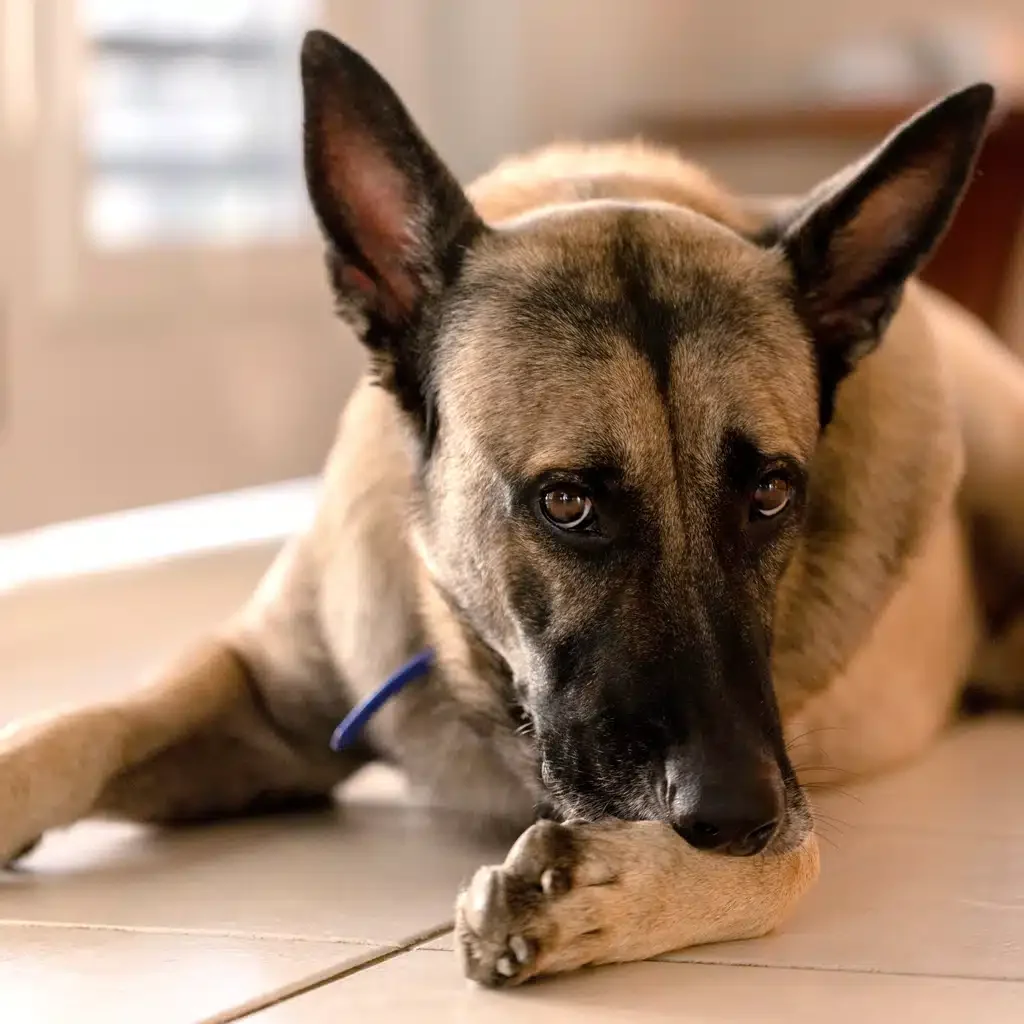
Most of the time, dogs lick their paws as part of their regular self-grooming practices. While you might notice that your dog licks their paws a bit more after getting home from a walk to get any dirt off their paws, a good sign that the paw licking is normal is that it is occasional and easily interrupted. As Dr. Rebecca Greenstein, Veterinary Medical Advisor for Rover and Chief Veterinarian/Practice Owner at Kleinburg Veterinary Hospital, says, “if you can easily distract your dog away from doing it, then it's likely a small concern”.
A good sign that your dog's paw licking is normal is that it is occasional and easily interrupted.
It's also important to know what's normal for your dog. For example, if your dog typically doesn't lick their paws and you notice that they've started to, there might be a reason. No matter what your dog's typical licking behaviour is like, if your pup is waking you up at night from licking and chewing, then there's a good chance that it's more than regular grooming.
If your pup is waking you up at night from licking and chewing, then there's a good chance that it's more than regular grooming.
When Paw Licking Signals a Problem
Allergies: The Most Common Cause of Paw Licking
Dr. Liza Cahn, DVM, says that allergies are the most common cause of paw licking that she sees as a vet. Like humans, dogs can be allergic to many things in the environment, such as an ingredient in their diet, dust mites, or pollen. While dogs can develop other allergy symptoms like sneezing, watery eyes, or gastrointestinal symptoms, allergies most commonly affect their skin, especially their paws. This allergic itching can lead to excessive paw licking and even chewing.
Vets treat allergic itching in a variety of ways. They might have you do a diet trial to rule out food allergies. If a diet switch doesn't improve things, your vet has several tools at their disposal. “Allergies are notoriously frustrating for pet owners, and treatment may include a variety of topical and oral medications, diet changes, consistent flea prevention, and environmental modifications to help reduce allergen exposure,” says Dr. Cahn.
Anxiety or Boredom: Signs This is Causing Paw Licking
Sometimes, it's not always a medical issue that causes frequent paw licking. Dogs can also lick their paws as a self-soothing behaviour when they're feeling bored or anxious. While this can be difficult to determine, you might notice an uptick in the paw licking behaviour during times of stress. You might also notice other signs of anxiety, like shaking or pacing. Dogs that experience anxiety, such as separation anxiety, are more likely to exhibit anxiety fuelled paw licking. A certified dog trainer or behaviourist can help you develop a plan to help your dog with their anxiety.
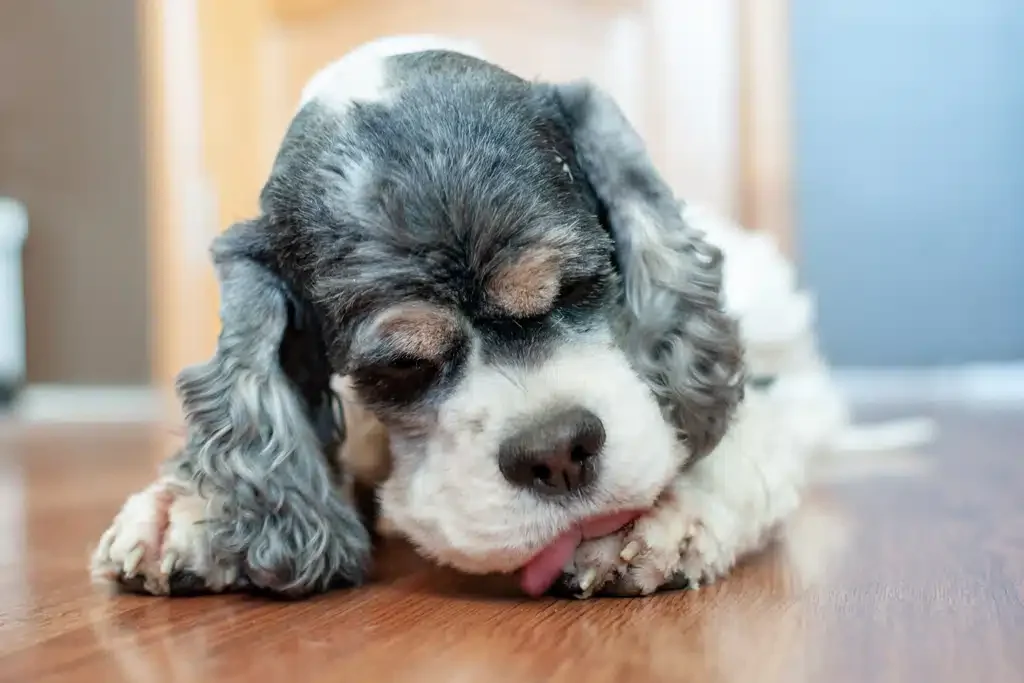
If your dog is licking their paws because of boredom, then you might notice a routine to this behaviour. For example, they might lick their paws at a certain time of day, or when there's downtime. You might also notice other signs that your dog is feeling bored, such as destructive behaviour or excessive barking. Increasing your dog's enrichment, including physical activity, can help alleviate feelings of boredom and reduce paw licking due to boredom.
Paw licking can also turn into a compulsive behaviour, creating a vicious cycle.
Whether it's caused by a medical issue or not, paw licking can also turn into a compulsive behaviour, creating a vicious cycle. As Dr. Greenstein says, the excessive licking and chewing create irritation, which only causes dogs to lick more. Over time, this can break the skin and create sores. If you're noticing this, it's a good idea to see your vet for a head-to-tail assessment to determine more about what's going on.
Injuries & What to Do if a Paw Injury is Causing Your Dog to Lick
If your dog has irritated or injured their paw, then they might lick their paws to self-soothe. Typically, if there's an injury, you'll notice that your dog is focused on a single paw, and perhaps a specific area on that paw. Injuries might include small cuts, or your pup's paw pads may have been irritated, such as by walking on a hot sidewalk in the summer. You might also notice that they have a thorn or a small rock stuck between their paw pads.
Dr. Cahn says if you're able to safely do so, take a close look at their paws. “Examine the top and bottom of their feet, paw pads, toenails, and in between their toes for any sign of redness, swelling, infection, injury, or anything else that seems abnormal.” While some issues, like something stuck between their paw pads, might be easily fixed at home, other issues might warrant a trip to the vet.
#5. Growths: What to Look For
Growths, including interdigital cysts, warts, and tumors, can cause your dog to lick. When you're examining your pup's paws, look for any unusual lumps or bumps. These are best checked out by a veterinarian to make sure that they aren't cancerous or causing your dog any discomfort or pain.
#6. Dryness and Cracking
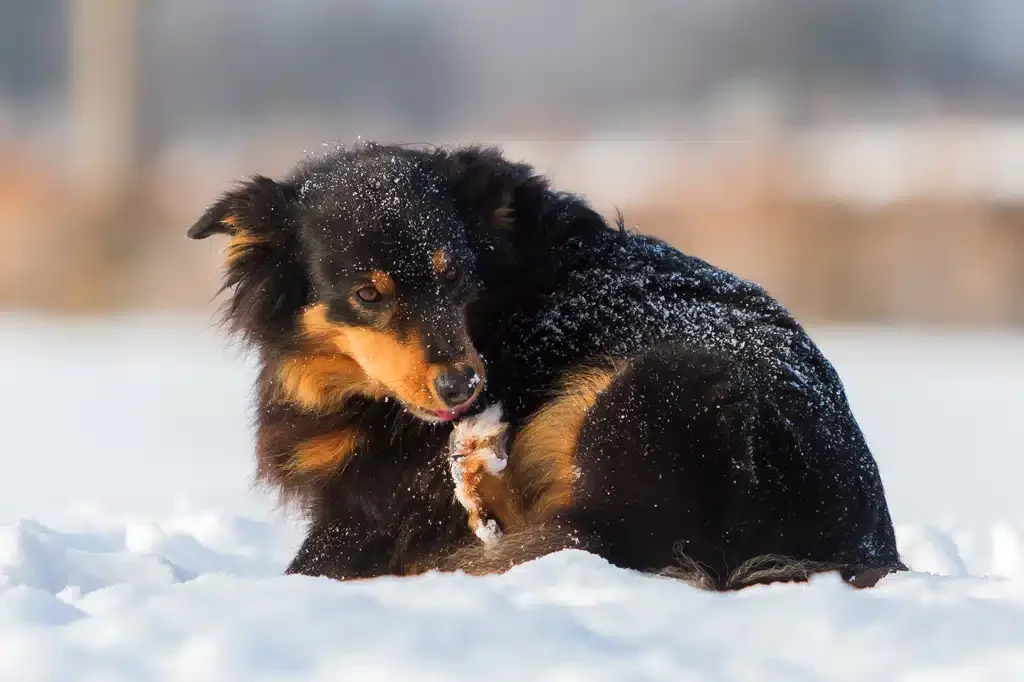
Extreme weather, both hot and cold, can cause dryness and cracking of the paw pads. If you notice that your dog's paw pads are cracked, this can be soothed with a dog-safe moisturizing paw balm or cream. Your pup's pads can also be protected while on walks with a pair of booties.
Madrabothair/Bigstock
Irritants, such as road salt in the winter months, can also irritate your dog's paws. If your pup isn't wearing booties, a quick wipe with warm water or a pet-friendly wet wipe when you get home can help prevent irritation that can cause dryness and cracking.
Dryness and cracking of paw pads can also be a sign of allergies, so if these methods don't help, it's a good idea to check in with your vet.
#7. Parasites
Parasites can be another reason that your dog is licking their paws. Parasites, like fleas and ticks, cause the paws to become itchy, which entice your dog to lick. Hair loss, red and inflamed skin, and a dull coat are other symptoms. You might also notice that your dog is licking, scratching, or biting at other areas of their skin.
Topical treatments or oral medications may be used to treat parasites.
#8. Arthritis Pain
Although it might seem unusual, dogs sometimes lick their paws in an attempt to soothe pain deeper under the skin. This licking might be centered around a joint, such as the wrist, with no obvious skin irritation. If you notice that your dog is limping or moving slower than usual, then they might be in pain. Other signs include fatigue and difficulty getting up from lying down or going up and down stairs.
X-rays can be used to help diagnose arthritis, which can be treated with a number of pain management supplements and medications.
#9. Cushing's Disease
Cushing's disease means that your dog's adrenal glands are overproducing the hormone cortisol. This can weaken the immune system, which can lead to skin issues like bacterial skin infections and yeast infections that can cause your dog to lick their paws. While Cushing's disease can result in paw licking, it's a secondary symptom. Other signs of Cushing's disease in dogs can include increased thirst and urination, increased appetite, lethargy, and panting. Dogs suffering from Cushing's disease can also develop a pot-bellied appearance and lose their hair.
Cushing's disease is serious, so it's important to take your dog to the vet if you notice symptoms. Treatment depends on the cause of your dog's Cushing's disease but may include medication or surgery.
What to Do About Excessive Paw Licking
Fayzulin Sergey/Bigstock
How to Help Your Dog Stop Excessive Paw Licking
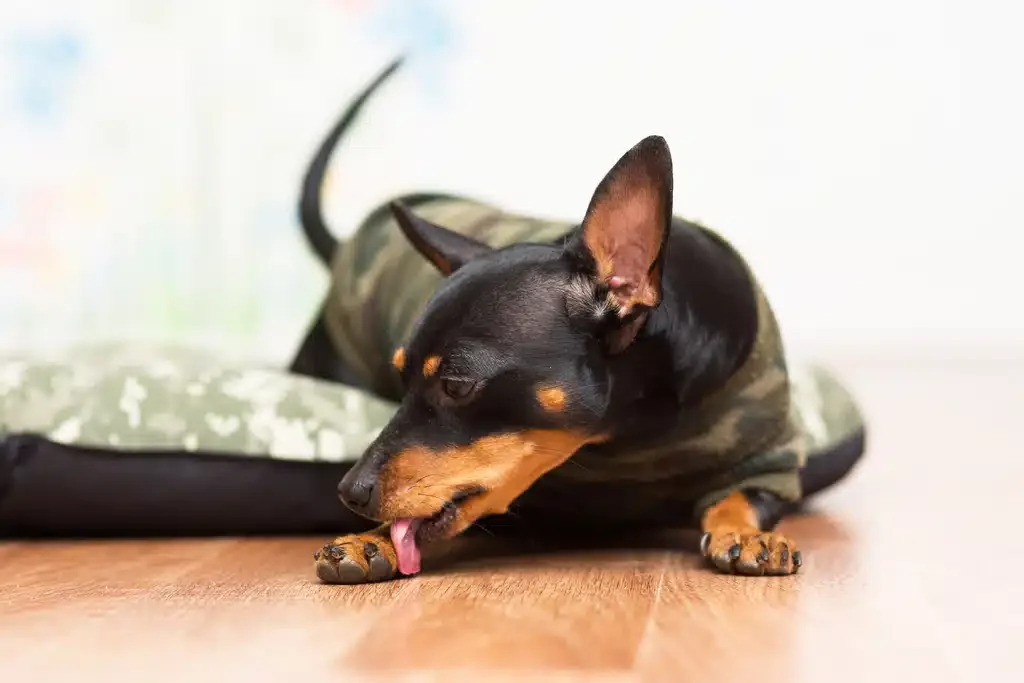
If you notice your dog licking their paws excessively, then a cone is a quick and inexpensive band-aid solution, says Dr. Greenstein. While some pet parents might try socks or booties to protect their dog's paws from excessive licking, she cautions that she's had some canine patients who have ingested these, which turns into a much bigger medical problem. If the cone doesn't work, she notes that some people have had success deterring their dog's licking behaviour with bitter apple and other commercially available dog-safe deterrent sprays. Another option is to redirect your dog's behaviour with toys or lick mats.
While stopping your dog from licking their paws can help prevent sores and secondary infections, it doesn't address the underlying cause of the licking. Dr. Cahn says that if your dog is licking their paws frequently, then you might notice a rusty colour to their fur due to staining from their saliva. This, along with irritated, red skin, is a sign that it's time to see the vet. Dr. Greenstein also says that signs of ear infections, tummy upset, or overall malaise, along with paw licking, indicate that a check-up is needed.
Check out more of our dog wellness articles here!
Try this care rhythm
four small steps from the spa’s notebook
Watch for lip licks or head turns; stress means it is time to pause.
Log tiny progress in a notebook - wellness is a paw-by-paw trail.
One cue, one meaning - make sure the whole family uses the same words.
Book a vet check before starting anything new and demanding.