Home Remedies for Common Dog Ailments
Essential home remedies according to a leading veterinarian!
Last Updated: January 13, 2026
As a pet parent, you've likely dealt with everyday pup troubles like scrapes, vomiting, and loose stool. The good news is that safe, holistic options exist for these common canine health hiccups. Here, holistic veterinarian Dr. Jennifer Marshall, DVM of Edmonton Holistic Veterinary, shares her go-to at-home remedies to keep in your pantry or fridge. She covers frequent issues, from upset tummies and bile pukes to loose stool, yeasty itchy ears, wounds, hot spots, and more! Read on for natural, at-home answers to everyday canine health problems, from vomiting to diarrhea.
Morning “Hunger” Pukes
First, evaluate: Does this happen when your dog eats whole or raw food, especially diets heavy in fat or bone? If so, switch to lower bone content or gently cooked meals. Otherwise, offer a higher-fibre late-night snack (like well-cooked green beans) or a bit of your dog's regular food at bedtime to encourage the stomach to empty.
Upset Stomach and Bile Pukes

Fresh ginger tea. Steep a slice of fresh ginger in hot water for 5 minutes, then let it cool and give 1/4 to 1 teaspoon orally (roughly adjusted for the dog's size) twice daily.
Slippery elm powder can also be mixed with a small amount of water to form a soothing mucilage that can be given orally twice daily (about 1/4 teaspoon of the powder per 20 lbs of body weight).
Loose Stools/Diarrhea
setapic/Bigstock & vvoevale/Bigstock
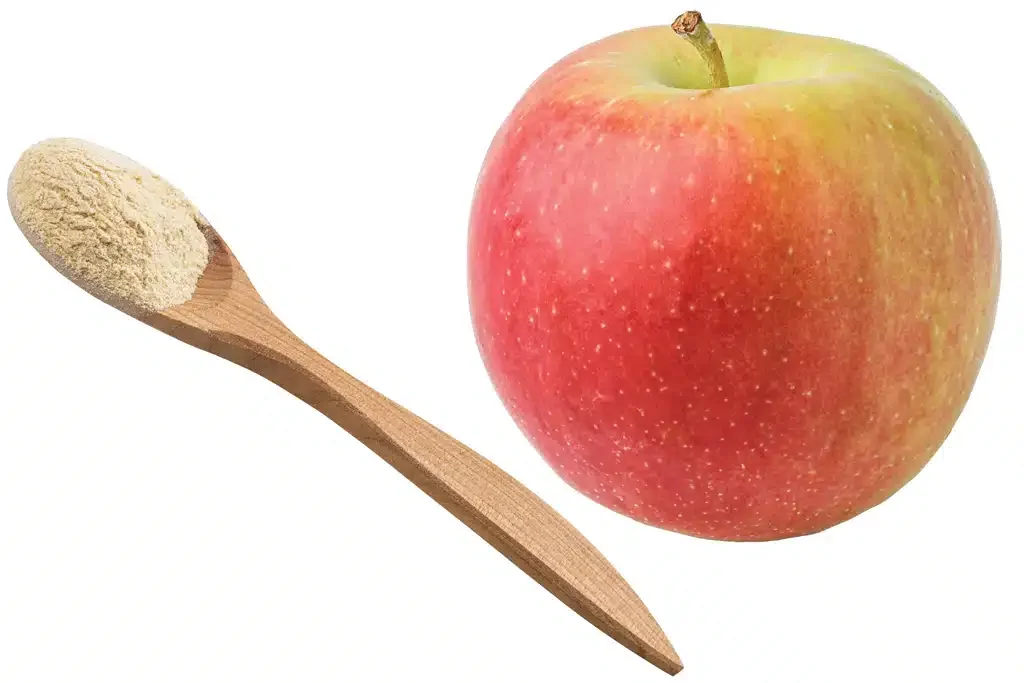
Natural apple pectin. Start with 1/8 of a teaspoon for a 10 lb. dog. Maximum dose would be 1/4 to 1/2 teaspoon for a larger dog. Mix with a little warm water to form a gel, and then stir into a gentle bland diet until diarrhea resolves.


Yeasty, Itchy Ears
Chronic ear infections are a common problem with dogs and often have an underlying issue that needs to be addressed for successful long-term resolution—talk to your vet!
For occasional cleaning, a solution of white or apple cider vinegar (1 part vinegar, 4-6 parts water) can be used. Be careful not to introduce moisture often into dogs with non-erect ears—this favours yeast overgrowth. If moisture seems to precipitate ear infections, manual drying or very occasional loosening of wax with olive oil might be a better maintenance choice. Always consult a veterinarian if the ear is painful, red, swollen, or has significant discharge, or odour.
Dry/Cracked Paw Pads
DIY Pet Paw Balm
*Be sure to use shea butter and not cocoa butter, as cocoa butter can be toxic to dogs.
Instructions:
This recipe will make enough to fill approximately 21-24 standard lip balm tubes or six 1 oz tins.
Itchy, Irritated Paws
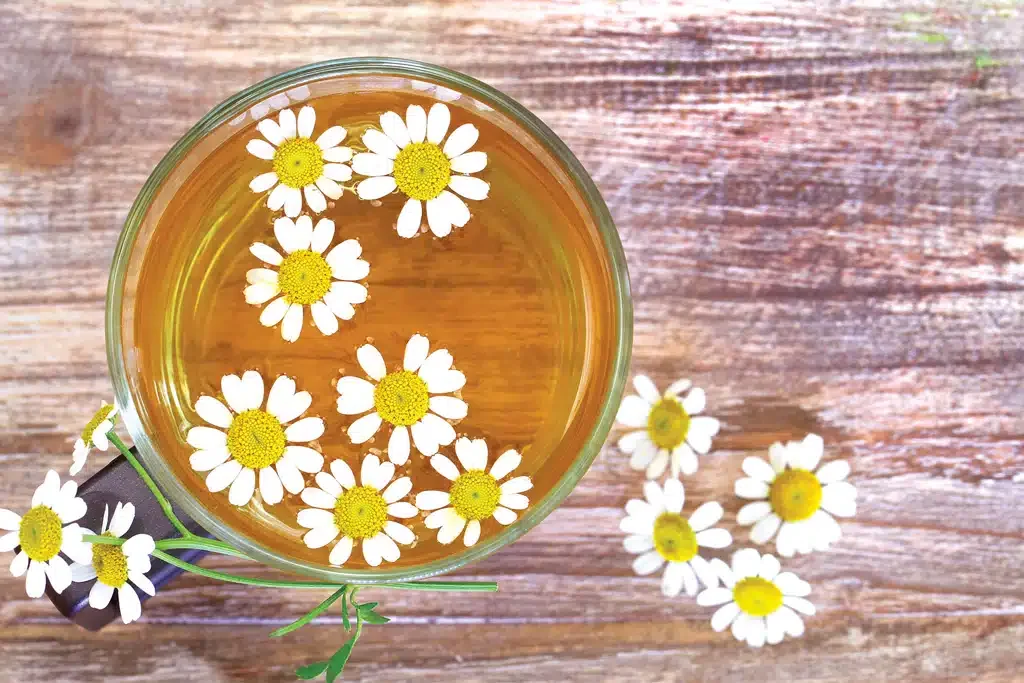
Rinses or soaks in cooled chamomile tea or diluted apple cider vinegar (1 part vinegar, 4-10 parts water) can help. If more cleaning/loosening of pollen or irritant material is needed, diluted lavender Castile soap followed by cold water rinsing and thorough drying can help.
picturepartners/Bigstock
Home Dental Care
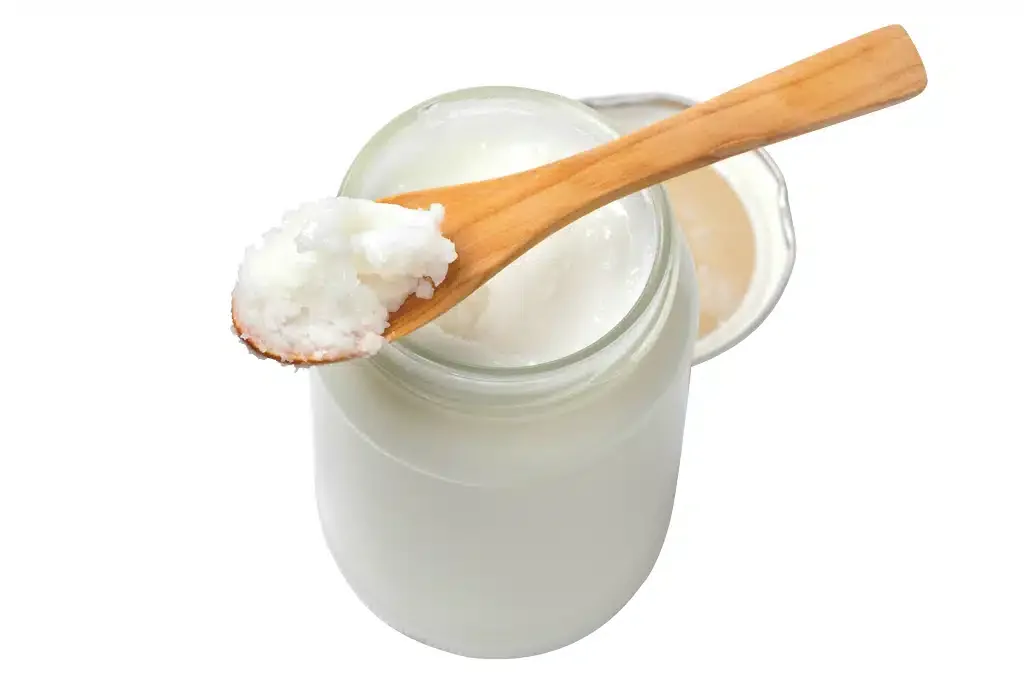
If your dog doesn't like or tolerate commercial pet toothpaste, you can use coconut oil or cooled green tea on a soft cloth to gently wipe the teeth and gums to remove plaque and encourage healthier gums.
Motion Sickness
Homeopathic Cocculus indicus (only use good brands like Boiron) at a strength of 6CH or 30CH. Give 3 – 5 pellets orally, 30 – 60 minutes prior to travel and repeat again in 4 hours if needed.
1/4 to 1/2 teaspoons of cooled, fresh ginger tea given 30 – 60 minutes prior to travel
A cotton ball with a couple of drops of lavender essential oil can be placed in the vehicle (not directly by the dog).
Minor Scrapes
Apply Calendula officinalis ointment (even better if the ointment also contains Echinacea) to the scrape until healed.
Hot Spots
Trim overlying fur gently to allow better air flow, then gently clean with natural soap and water—I like diluted Castile soap or natural laurel oil soap. Pat dry. If a mild, moist infection appears to be present, apply Manuka Honey with a UMF rating of at least 10 (20 or greater is better) once or twice daily. Severe, painful infections require the help of a vet.—Tracey Tong
*As always, check with your vet to ensure the remedy is right for your dog and that there isn't a greater underlying issue.
This article originally appeared in the award-winning Modern Dog magazine. Subscribe today!
Try this care rhythm
four small steps from the spa’s notebook
Watch for lip licks or head turns; stress means it is time to pause.
Log tiny progress in a notebook - wellness is a paw-by-paw trail.
One cue, one meaning - make sure the whole family uses the same words.
Book a vet check before starting anything new and demanding.