Can My Dog Eat That? 7 People Foods Explained


Wondering what “people food” you can share with your dogs? From mango to clams, find out if you can share these foods with your dog
Last Updated:October 1, 2025
Wondering whether or not your dog can eat a particular food? We've answered commonly Googled “can my dog eat that?” queries! Here's what you can safely share with your dog and why.
Remember, treats should make up no more than 10 percent of your dog's caloric intake. Always start with just a little of any new food to avoid stomach upset, and check with your vet if in doubt.
Can Your Dog Eat These Foods? Read on to Find Out!
Illustration vectorwin/bigstock.com
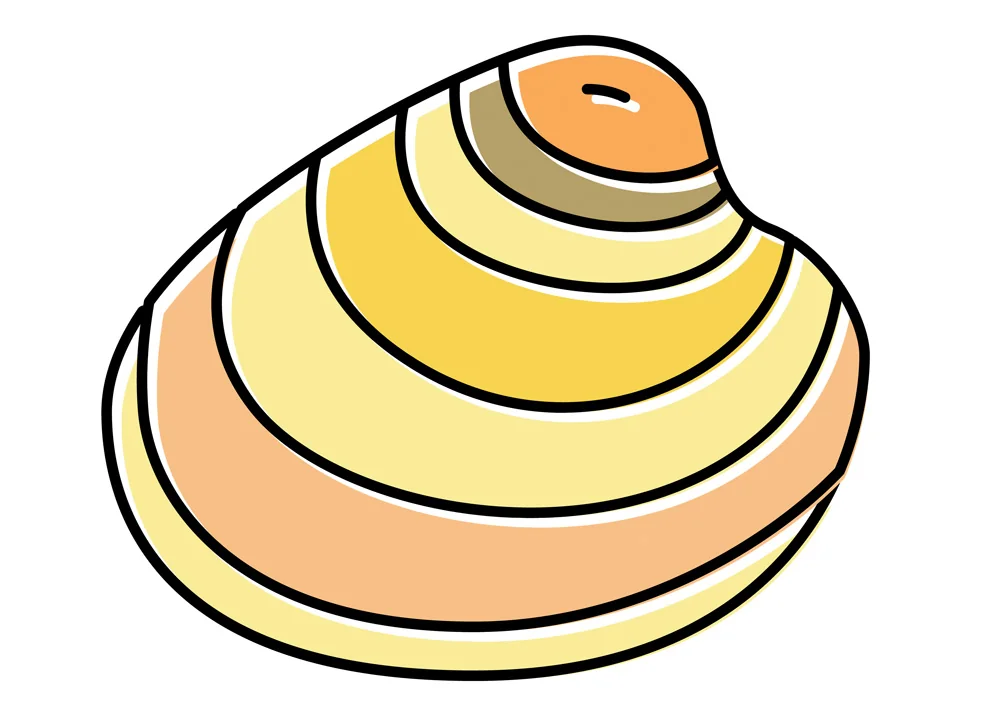
#1 Can Dogs Eat Clams?
✓ Yes, dogs can eat clams. Clams are very high in protein and rich in omega-3 fatty acids. They also provide healthy levels of iron and zinc. It is best to serve a couple cooked clams as a treat, as opposed to a meal. Though raw clams are not toxic, eating them raw increases the chance of stomach upset. Always give your dog only the clam meat and never the shell as the shell could cause a blockage if swallowed or harm your dog's teeth.
Illustration vectorwin/bigstock.com
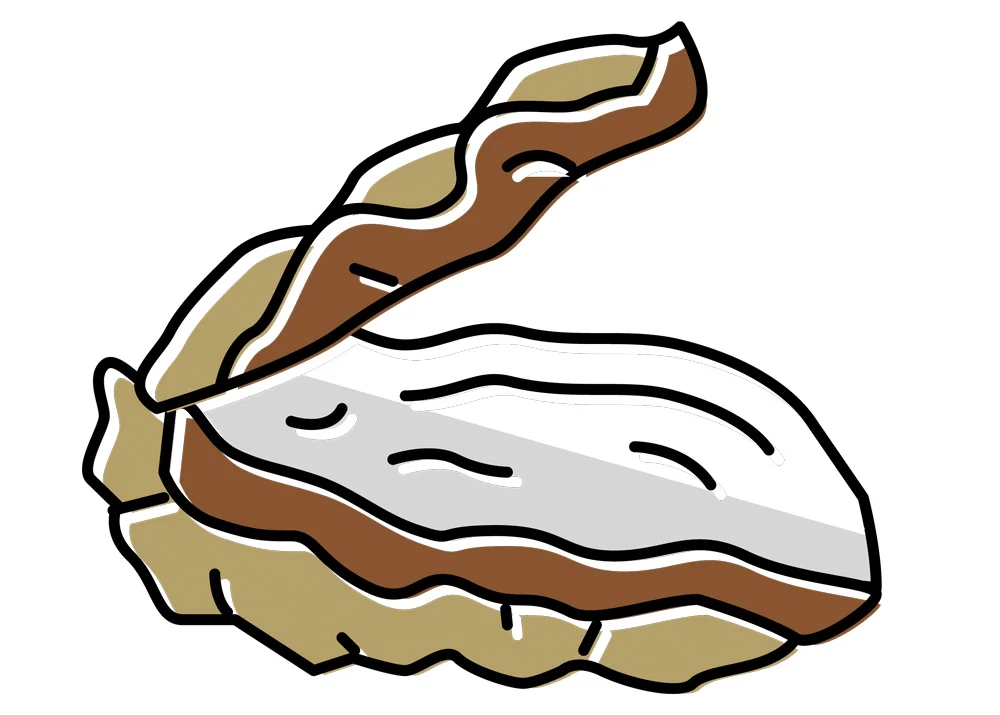
#2 Can Dogs Eat Oysters?
✓ Yes, dogs can eat oysters. An excellent source of protein, omega-3 fatty acids, and essential minerals like zinc, iron, and selenium, oysters help maintain muscle mass and, thanks to the Omega-3s, decrease inflammation. Oysters for dogs should be cooked and served plain. Lightly bake, sauté, boil, or dehydrate before serving. Do not feed your dog smoked oysters or oysters with preservatives or salt. Start by giving your dog a part of an oyster or a single oyster depending on their size.
Illustration seamartini/bigstock.com
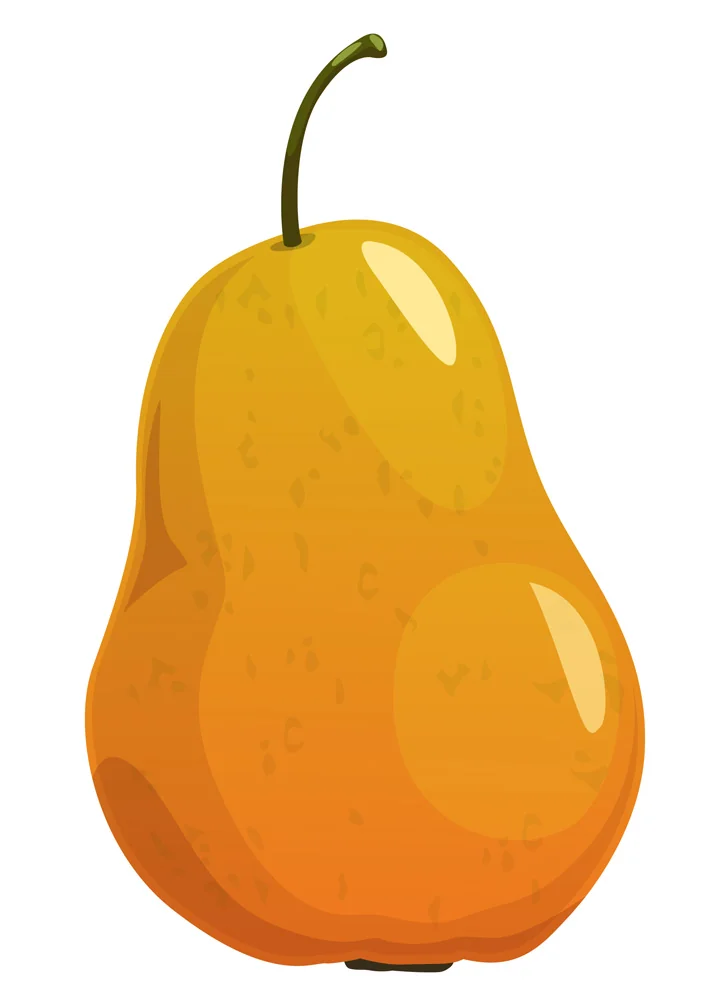
#3 Can Dogs Eat Pears?
✓ Yes, dogs can eat pears. High in fiber, copper, and vitamins C and K, pears make a great treat for dogs. How much pear can they have? Veterinary nutritionists advise limiting snacks, including pear, to less than 10 percent of your dog's caloric intake. For smaller dogs, this means a slice or two of pear. Eating the pear skin is fine but be sure to remove the core and seeds first, as the seeds contain trace amounts of cyanide. Also say no to canned pears packed in syrup.
Bonus: Eating pears (and apples, which are also a great treat for dogs) may reduce the risk of stroke by 50 percent. A Dutch study found that eating fruit and vegetables with white edible portions was associated with a 52 percent lower stroke risk.
Illustration npavein/bigstock.com
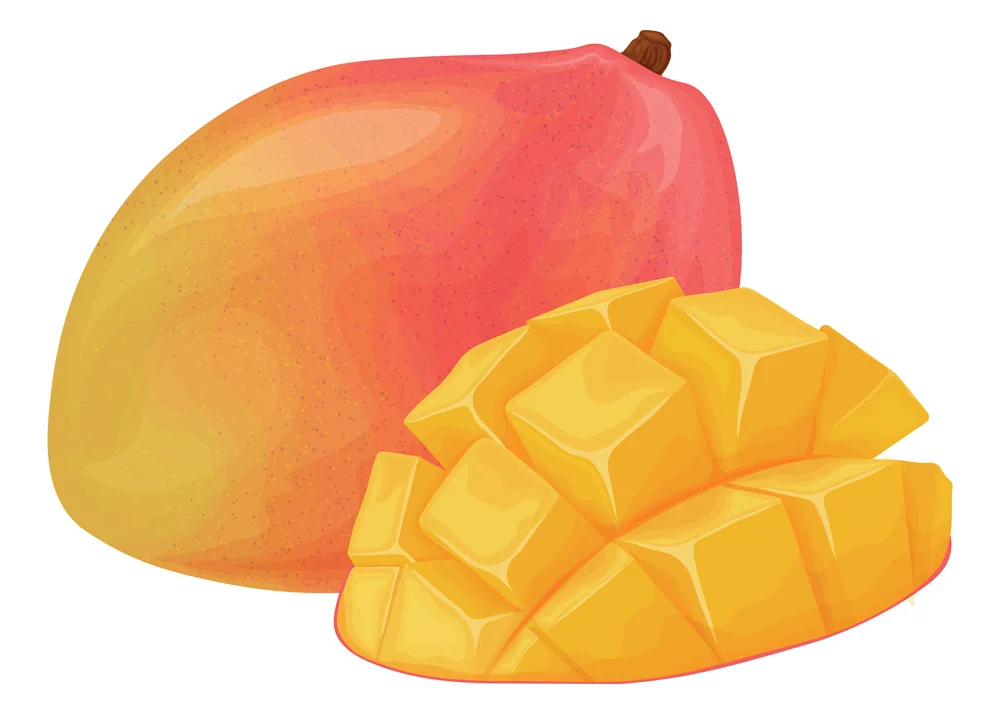
#4 Can Dogs Eat Mango?
✓ Yes, dogs can eat mangoes. This sweet treat is packed with vitamins A, B6, C, and E, as well as potassium and beta-carotene and alpha-carotene. Just remove the large pit first, as it contains small amounts of cyanide and can become a choking hazard or cause blockages if swallowed. Feed mango in moderation, as the high fiber content could cause an upset stomach.
Illustration An.Vin/bigstock.com
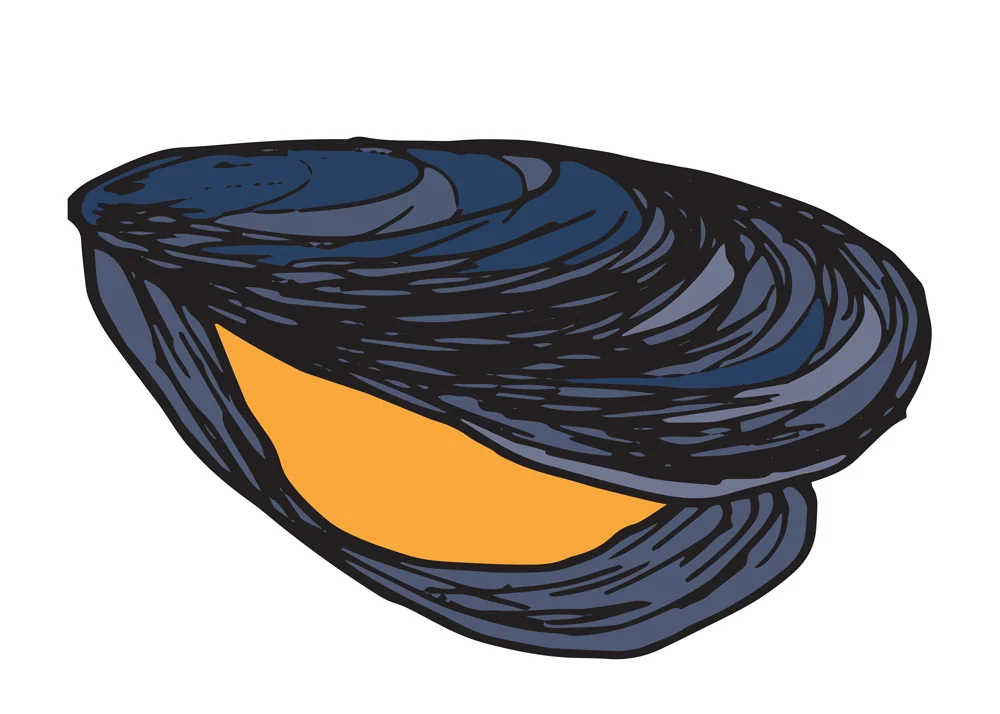
#5 Can Dogs Eat Mussels?
✓ Yes, dogs can eat mussels. Mussels are an excellent food for dogs, particularly New Zealand green-lipped mussels. Packed with omega-3 fatty acids and minerals, as well as vitamins, amino acids, antioxidants, and enzymes, mussels have many health benefits, including helping your dog's joints. They are a natural source of glycosaminoglycans, which are the main components of cartilage and the synovial fluid found in joints.
Studies have shown mussels to help dogs (and people) suffering from arthritis by relieving discomfort and inflammation. They support joint mobility, cartilage maintenance, and heart health.
You can purchase green-lipped mussel powders for dogs, or you can feed your dog plain, steamed mussels, or freeze-dried mussels. Freeze-fried mussels will have more health benefits than mussels that have been treated with heat. Give your dog one mussel for every 20 pounds of bodyweight.
Illustration Bro/bigstock.com
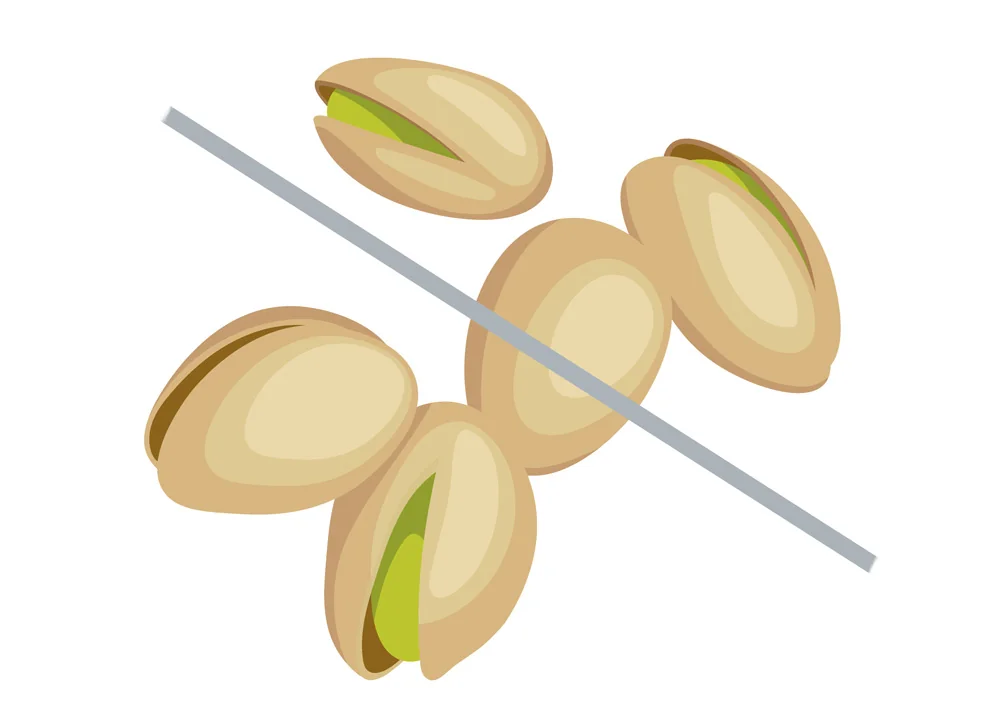
#6 Can Dogs Eat Pistachios?
✕ Can dogs eat pistachios? Maybe not. Though pistachios are not toxic to dogs, they are not a recommended treat. For one, they are very high in fat and could cause pancreatitis. If the pistachios are salted, this poses a further issue and could cause water retention. The shells are also a choking hazard and could cause intestinal blockage. If your dog eats a pistachio or two that has fallen to the ground, fear not, but it's best to avoid giving your dog pistachios as a treat. In fact, nuts are not a great snack choice for dogs in general.
Photo Digitalr/bigstock.com
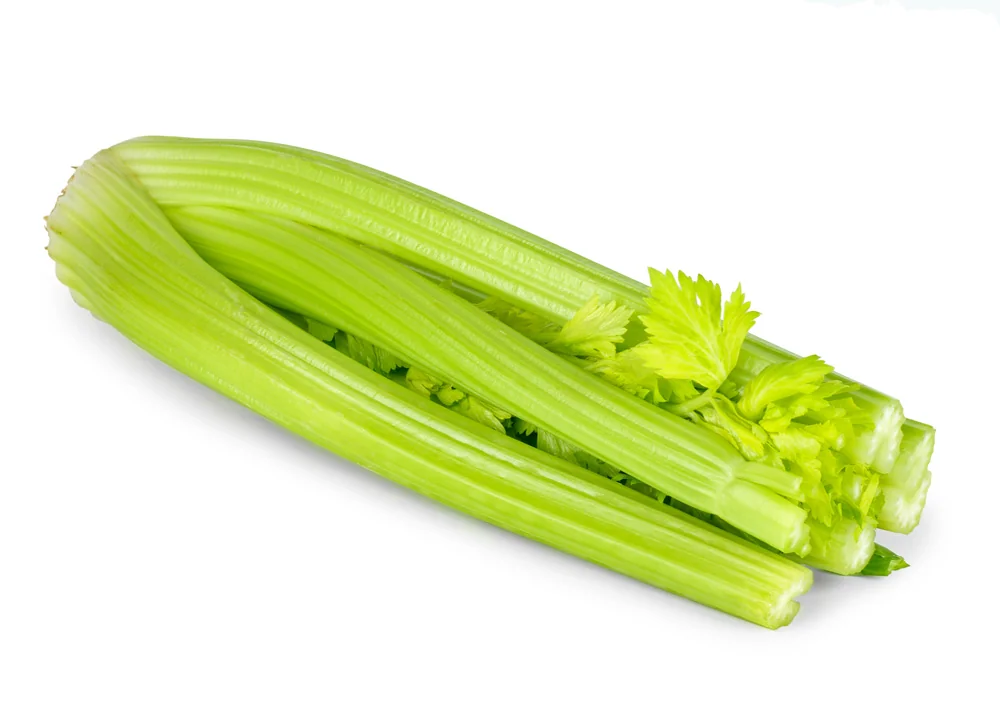
#7 Can Dogs Eat Celery?
✓ Yes, dogs can eat celery. It is frequently suggested as a weight-loss treat as it is very low in fat and cholesterol and is an excellent source of fiber, vitamins A, C, and K, folate, potassium, and manganese.
Celery can be fed as a crunchy treat. Start by giving your dog one or two bite-sized pieces. Older dogs may prefer their celery cooked.
This article originally appeared in the award-winning Modern Dog magazine. Subscribe today!
Try this care rhythm
four small steps from the spa’s notebook
Log tiny progress in a notebook - wellness is a paw-by-paw trail.
One cue, one meaning - make sure the whole family uses the same words.
Book a vet check before starting anything new and demanding.
Warm the room first - a calm, quiet space helps a dog settle.